Music writer Ted Gioia shares a fresh chapter from his new book 'Music to Raise the Dead' - the results of many years of research into the most famous story in the history of the blues, namely guitarist Robert Johnson’s legendary deal with the Devil. Gioia goes deep into history and religious practices, as well as into the meaning of crossroads, and how it all provided an environment for Johnson's experience and music.

Planting seeds
February 10, 2023

Ted Gioia gives State of the Culture address

"What we really need is a robust indie environment—in which many arts and culture business flourish and present their diverse offerings. Let a thousand flowers blossom... That’s where the future is happening right now. By alt culture, I’m referring to things like podcasts, Bandcamp albums, YouTube channels, Substacks, and various other emerging platforms. Some of these aren’t just growing, they are growing exponentially" - music writer Ted Gioia points out in his State of the Culture address. There's also a place for major record labels or movie studios or non-profits in this new environment - "If they start helping out in our project to build an audience and infrastructure for bold creative work, we have a golden age of artistry and culture ahead of us." Let's go!

“I give people confidence. They give me money.”
February 02, 2023

Ted Gioia: ChatGPT - the slickest con artist of all time

Music writer Ted Gioia doesn't like ChatGPT, he doesn't like it one bit: "ChatGPT is hotter than Wordle and Taylor Swift combined... People love it. People have confidence in it. They want to use it for everything—legal work, medical advice, term papers, or even writing Substack columns... But that’s exactly what the confidence artist always does. Which is:

  • You give people what they ask for.
  • You don’t worry whether it’s true or not—because ethical scruples aren’t part of your job description.
  • If you get caught in a lie, you serve up another lie.
  • You always act sure of yourself—because your confidence is what seals the deal".

"Medieval Córdoba had more influence on global music than any other city in history. A thousand years before New Orleans spurred the rise of jazz, and instigated the Africanization of American music, a similar thing happened in Córdoba, Spain. You could even call that city the prototype for all the decisive musical trends of our modern times" - Ted Gioia proclaims in his latest post, about the culture hub which at the time had the largest population in the West - 450,000 inhabitants (much more than Paris, London, or Roma at the time). “This was the chapter in Europe’s culture when Jews, Christians, and Muslims lived side by side,” asserts Yale professor María Rosa Menocal, “and, despite their intractable differences and enduring hostilities, nourished a complex culture of tolerance.” It is that intersection of cultures that made it so impactful - "It is our single best example of how the West can enter into fruitful cultural dialogue with the outsider—to the benefit of both... The Córdoba Model still has something to teach us today. If we flourished by living together a thousand years ago, why shouldn’t it happen again now? The role model we need isn’t hard to describe—the rules are tolerance, connectivity, interaction, sharing, a welcoming attitude to new peoples and influences".


The good, the bad, and the band
January 25, 2023

Ted Gioia: How a single person changes a culture

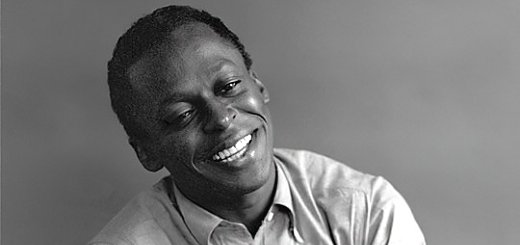
"At the lowest levels in a corporation, those analytical STEM skills help you get a promotion and a raise. But at the highest levels of management, your creativity, imagination, and core values are tested constantly. When you face the biggest decisions, there are so many trade-offs that no spreadsheet or algorithm can guide you—everything from worker motivation to community support can be at stake. You can’t even quantify those things, let alone calculate their trade-offs. You need something deeper. It’s more a matter of values and creative insight than math" - music writer Ted Gioia writes in favor of putting creative people to run big companies, even someone like Miles Davis. Gioia is inspired by changes happening recently at Barnes & Noble.

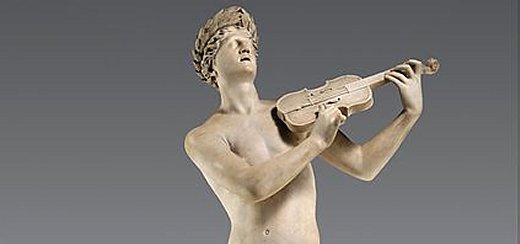
"Las Vegas wedding chapels recently received an unusual letter. It contained a cease-and-desist order—demanding that they stop using Elvis Presley impersonators to conduct marriages... I won’t get involved in the legal niceties here, but I seriously doubt any law firm is powerful enough to stop Elvis impersonation. Fake artists are as old as music itself" - Ted Gioia writes in his latest memo. Greece and Egypt are the earliest examples, with the blues being the fresher one. "You might even say that this practice is what made the blues a genuine tradition—artists preferred to take something pre-existing, and maybe change a few tiny details, rather than invent a new song from scratch. And we can’t really complain, because this is what allows oral traditions to last over the generations. Many of these blues songs would have disappeared if somebody hadn’t stolen them".

Despite all the hype, vinyl album unit sales only grew 4% in 2022, after a 95% growth in 2021. Those numbers are a HUGE disappointment - Ted Gioia argues. This is what the music industry did, according to his opinion, to cause it:

  • They hate running factories—which is hard work. So they tried to outsource manufacturing instead of building it themselves. Chronic shortages resulted.
  • They refuse to spend money on R&D, so they stayed with the same vinyl technology from the 1950s... In the year 2023, even bowling alleys, bordellos, and bookies are more tech savvy than the major record labels.
  • They want easy money, so they kept prices extremely high. That was bizarre because their R&D and catalog acquisition costs were essentially zero, and they could have priced vinyl aggressively. Instead they treated vinyl as a luxury product.
  • They love hype, so they focused on high visibility vinyl reissues, which look good in press releases, but couldn’t be bothered to make back catalog albums available. After a decade of the vinyl revival, they still hadn’t taken even basic steps in offering a wide product line.

"The real leverage point for AI is cost savings. That’s because the music itself isn’t very good. Sure, there’s a certain novelty factor here—but that will wear off very soon. The real hook is that AI works for cheap, it’s almost like slave labor in the band" - music writer Ted Gioia argues in his latest post about AI-created music. His point for the perfect circle in the text - "that’s how these shifts happen. New tech enters the marketplace as a cheap alternative, and gradually becomes the preferred alternative—because the ‘ears’ of the audience have changed".

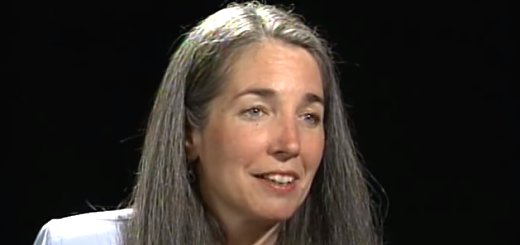
Ted Gioia writes an hommage to harpist Therese Schroeder-Sheker who has "devoted her life to performing music for the dying. She has done this on countless occasions, and has accumulated a huge body of knowledge, wisdom, and practical skills that she generously shares with others... This life story would be impressive under any circumstances, but especially so when you consider that Therese Schroeder-Sheker had a brilliantly successful career as a recording artist and concert hall performer. She could have spent her entire life as a music star, but instead put her primary focus on serving those in the most dire and hopeless situations... She is the antithesis of a pop star. Therese is an exemplar of compassion, caring, and contemplation".

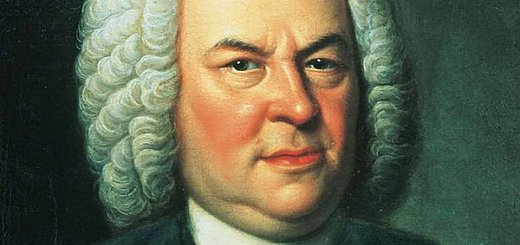
"There’s a long history of feared or conquered foreigners as musical innovators. But their new musical styles are initially attacked and suppressed, although they eventually enter the mainstream. This seems to be the case with the Aztec zarabanda... The chaconne, too, probably originated in Latin America before showing up in Spain in the late sixteenth century. Early source documents describe the dance as Peruvian, although some believe it came from the Caribbean coast areas of Mexico. As with the zarabanda, the chacona was viewed as sexy and disreputable" - music writer Ted Gioia goes back centuries looking for the roots of chaconne and sarabande, now examples of European classical music popularized by Bach.