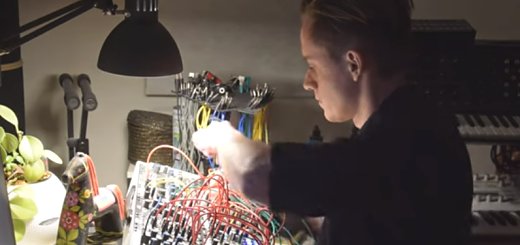
"In recent years, Kyiv’s vibrant and progressive dance scene earned the city the nickname 'new Berlin'. Amazingly, the war hasn’t stopped the scene from thriving, and many Ukrainian DJs and promoters have managed to make the most out of the dire circumstance" - Vice goes to Ukraine to check the pulse on the nation's clubbing scene. Harry Pledov, musician and event organiser, believes partying is important since it provides a feeling of normalcy - "as the war drags on, everyone understands the importance of partying.” Also, he notes that the war has given the Ukrainian electronic music scene a huge boost - “International DJs no longer dare to come because of the shelling. And we’ve gotten rid of anything related to Russian culture – the songs, videos and movies that were popular. We now see it as our mission to fill that gap with Ukrainian culture.”

Crime and punishment
February 22, 2023

Russia's music scene losing the war to state repression

"Since the war with Ukraine, dissenting Russian bands have been canceled en masse, including many of the scene's original founders. Bands who faced censorship, harassment and intimidation during the Soviet days are now experiencing the same thing some 40 years later" - Bandsplaning looks beyond the Russia-Ukraine frontline and into the ever-shrinking freedom of expression the Russian musicians are facing. Since the start of the war a year ago, according to one promoter, around 30% of Russian domestic performers left the country or stopped performing.

Guardian shares an important piece about a rap group P38-La Gang, that touches on the essential issue of freedom of speech. The Bologna-based band who go by the stage names Astore, Jimmy Pentothal, Dimitri and Yung Stalin, are between 25 and 33. They describe the idea behind the group as “very simple: creating a far-left and communist form of trap,” a counter-narrative to the “individualistic, gangsta-mafia and misogynistic” themes of Italian trap. On 25 November, the band members were identified by police and had their homes searched. They are currently under investigation by the Turin prosecutor’s office, accused of instigation to commit a crime, with an aggravating circumstance for terrorism. Their concerts are routinely cancelled, with venue managers fearing police reprisals. The band denies they're terrorists: "While the Italian music scene is overrun by very explicit references to rape, the trafficking of large-scale narcotics and mafia crimes in lyrics sung by the most listened-to artists, we are the ones being investigated because we refer to the Years of Lead.” (Social turmoil during the 1970s and 1980s when Red Brigades, the far-left terrorist group, shocked Italy with kidnappings, kneecappings and more than 80 political assassinations).

Breaking the dance
February 01, 2023

Iran dancing couple sentenced to 10 years in jail

An Iranian couple in their 20s have been given jail sentences totalling 10 years after posting a video of themselves dancing in the street in Tehran. Astiazh Haqiqi, 21, and her fiance Amir Mohammad Ahmadi, 22, were arrested after they posted the video to their Instagram accounts, which have a combined following of nearly two million. Haqiqi and Ahmadi are said to be convicted of "promoting corruption and prostitution, colluding against national security, and propaganda against the establishment". They were also handed a two-year ban on using social media and leaving the country. Dancing in public is illegal for women in Iran, as is men and women embracing, and women leaving their hair uncovered.

"I think art is the best medium for this awareness. Art comes from the heart, the pain and the suffering. I know that’s the case for me and other artists doing amazing work right now. The truth of my work is what is happening in Iran right now. I am just mirroring it" - Iranian rapper Säye Skye says in a Mix Mag interview about using revolutionary rap in the current protests in Iran. "The regime takes these mediums, and deals with them, very seriously. They know that having a podium and speaking the truth of the people can resonate with society, it can unite communities and that’s what they are afraid of. For the past 40 years the regime has been trying to diminish the power and value of art."

"The first thing you learn as a Palestinian is that you’re probably going to die. You have to engage a little bit extra because life could be over in 10 minutes” - DJ Sama' Abdulhadi says in a Guardian interview. Talking to Resident Advisor, she goes a step further: "We're human beings before anything else, and it's our trauma that creates our music and makes us who we are. It's just normal life for us, which is sad, because we're much more than that". She says her goal is to bring the world closer to Palestine—and Palestine closer to the world. Sama' Abdulhadi's short documentary, 'Portrait of Sama' Abdulhadi', will premiere online January 31st.

Travel to, and transit through, Europe is difficult for Africans. The top three countries with the highest Schengen visa rejection rates are from the continent: Guinea-Bissau had 53% of its applications rejected, Senegal 52% and Nigeria 51% - Guardian looks into the problem of African musicians trying to play in Europe. To get a Schengen visa, a host of documents is required, and can include bank statements, return flights, addresses while abroad, travel insurance policies, and the threshold is getting higher and higher.

Guys doing their job
January 10, 2023

A great message by Dr. Dre's lawyers to a politician

Lawyers for Dr. Dre sent a cease-and-desist letter to congresswoman Marjorie Taylor Greene threatening her with legal action after she used the rapper’s 1999 smash hit 'Still D.R.E.' without permission in a social media post, Billboard reports. “One might expect that, as a member of Congress, you would have a passing familiarity with the laws of our country" - lawyers wrote.

It all started promising. In July last year, a UK cross-Parliamentary committee called for a “complete reset” of music streaming following an inquiry into the economics of streaming. Some lobbyists in the UK music business suggested that artists and songwriters weren’t pocketing enough money from streaming services, and accused certain music companies of holding on to outsized profits from royalties. The final 165-page report came as a cold shower, saying that it has not “found evidence of substantial and sustained excess profits by the majors that could be competed away to benefit consumers, for example through more investment in music”. MBW reports on the outc

Ramy Essam, Egyptian musician and revolutionary

Mark Levine, author of 'We’ll Play Till We Die' and 'Heavy Metal Islam' looks into the power of music in Muslim countries. "The training and skills necessary to create a DIY music scene in a culturally and politically hostile culture overlapped significantly with the skills needed to create independent political subcultures capable of challenging and transforming patriarchal and authoritarian systems"- Levine writes. However, "looking back on the last two decades, it was clear that while music and art can help make revolution irresistible to large numbers of people, they don’t make its success inevitable or even likely. States often ramp up violent repression and deploy equally powerful aesthetic and affective tropes, imagery, narratives and identities to counteract the power of art".

1 2 3 4 21